
Understanding the psychological strategies that drive gambling behavior
The Allure of Risk and Reward
Gambling is inherently tied to the concepts of risk and reward, creating a psychological allure that captivates many individuals. The thrill of placing a bet provides a surge of adrenaline, as players navigate the uncertain outcomes. This connection between risk and a potential reward stimulates the brain’s reward system, releasing dopamine, which reinforces gambling behavior. Players often chase the excitement and the possibility of winning big, creating a cycle of behavior that can be hard to break. For those interested in exploring further, resources like https://mrbaron-casino.co/ can be quite engaging.
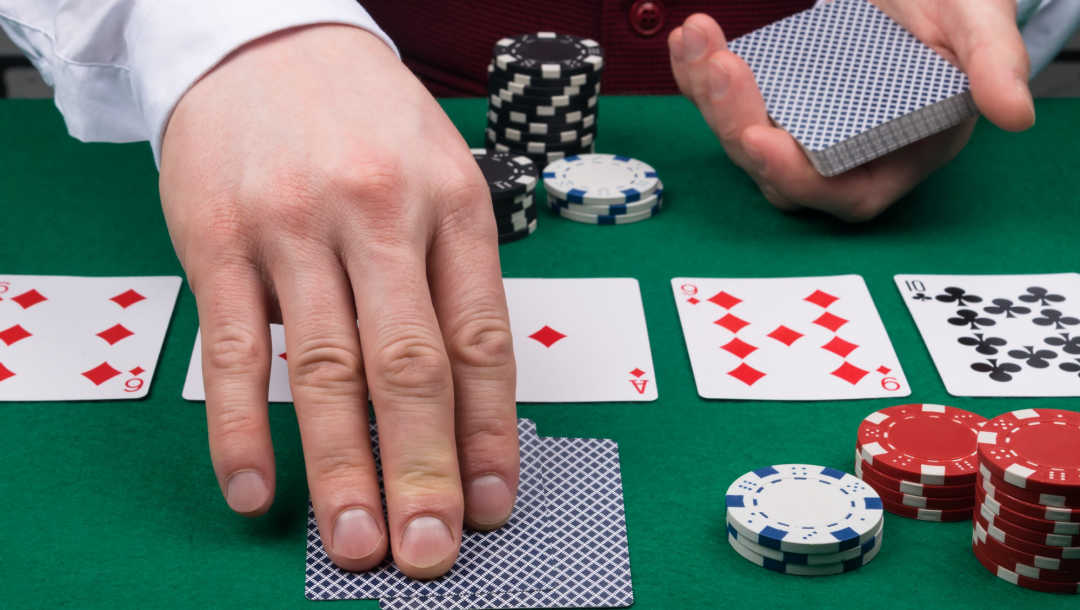
Furthermore, the anticipation involved in gambling heightens the emotional stakes. The uncertainty of whether a wager will pay off fosters a unique psychological environment where hope and anxiety intermingle. This emotional rollercoaster can be addictive, as individuals find themselves drawn back to the gambling table or slot machine, often equating their self-worth with their chances of winning. The more they gamble, the more they chase that euphoric high, despite the risks involved.
Cultural perspectives also play a critical role in shaping attitudes toward gambling. In some societies, gambling is seen as a form of entertainment, while in others, it carries significant stigma. These cultural frameworks influence how individuals perceive risk, reward, and even their own behaviors. For example, in cultures where gambling is widely accepted and integrated into social norms, individuals may be more inclined to participate, thus perpetuating the cycle of gambling behavior.
The Role of Cognitive Biases
Cognitive biases significantly impact gambling behavior by skewing an individual’s perception of odds and probabilities. The “gambler’s fallacy” is one such cognitive bias where players believe that past outcomes influence future results, such as thinking that a slot machine is “due” for a win after a series of losses. This flawed reasoning often leads individuals to gamble more, expecting that their luck will inevitably change, despite the randomness of most gambling games.
Another common bias is the “illusion of control,” where gamblers believe they can influence the outcome of games through their actions, even in games based purely on chance. This false sense of agency can lead to increased gambling as individuals feel empowered to make choices that can allegedly sway outcomes in their favor. Such biases not only drive continued gambling but can also lead to the justification of losses, further entrenching the behavior.
The confirmation bias also contributes to gambling patterns. Players tend to remember wins and overlook losses, which reinforces their belief in their gambling skills or the effectiveness of certain strategies. This selective memory can create an inflated sense of success, making it more challenging for individuals to recognize when their gambling has become problematic, thus perpetuating unhealthy gambling behaviors.
The Impact of Social Environment
The social environment surrounding gambling plays a pivotal role in influencing individual behaviors and attitudes. People often engage in gambling as a social activity, whether in casinos, online platforms, or casual settings. The presence of peers can amplify the excitement, encouraging individuals to take risks they might avoid when alone. Social norms can also foster a perception that gambling is a recreational pastime, making it easier for individuals to justify their actions.
Peer pressure and the desire to fit in can also enhance the likelihood of gambling. In environments where gambling is normalized, individuals may feel compelled to participate to maintain social connections or gain acceptance. This dynamic can lead to a troubling cycle, where the desire for social belonging overrides the awareness of potential negative consequences associated with gambling, such as addiction or financial ruin.
Additionally, online gambling platforms have transformed social interactions in the gambling world. Virtual communities foster connections and shared experiences among players, which can further normalize gambling behavior. While this connectedness can enhance enjoyment and satisfaction, it can also mask unhealthy patterns, making it more difficult for individuals to recognize the need for moderation in their gambling activities.
Emotional and Psychological Factors
Emotional and psychological factors significantly influence gambling behavior, often intertwining with addictive tendencies. Many individuals turn to gambling as a means of coping with stress, anxiety, or depression, seeking the temporary escape that comes with the thrill of betting. The allure of gambling can serve as a distraction from everyday life challenges, but over time, it can lead to a reliance on gambling as a primary coping mechanism.
The cycle of emotional highs and lows associated with gambling can create a tumultuous psychological landscape. Winning can elicit feelings of euphoria, while losses may result in depression, guilt, or shame. This emotional volatility can create a feedback loop where individuals continue to gamble in hopes of recapturing the initial thrill, often disregarding the associated risks and consequences. Understanding this emotional component is crucial for recognizing when gambling becomes problematic.
Treatment for gambling addiction often involves addressing these emotional factors. Therapy can help individuals develop healthier coping strategies, allowing them to manage stress and anxiety without resorting to gambling. Additionally, building self-awareness and emotional regulation skills can empower individuals to recognize when they are gambling as a means of escape, facilitating more balanced and healthy behaviors moving forward.

Understanding Gambling Behavior on Our Platform
At our platform, we aim to shed light on the complex psychological strategies that drive gambling behavior. Our commitment is to provide comprehensive insights into the motivations behind gambling, the cognitive biases at play, and the social influences that shape this multifaceted activity. Through educational resources, articles, and expert insights, we seek to promote responsible gambling and raise awareness about the potential psychological impacts.
Understanding these psychological aspects is crucial for both individuals and their loved ones. By recognizing the signs of problematic gambling behavior and the underlying strategies that fuel it, individuals can make informed choices about their gambling activities. Our platform serves as a valuable resource, fostering informed discussions about gambling and its psychological implications, ultimately promoting healthier and more responsible gambling practices.