
Gaming Infrastructure: The Backbone of Online Betting and Esports
I've seen betting sites crumble under weekend traffic, which is why a robust gaming infrastructure is the invisible foundation for every wager and esports stream. It's not about flashy graphics but about raw uptime, processing power, and the reliability provided by leading gaming providers. For a seamless online gaming experience, platforms like dashking88 are essential, as they utilize advanced microservices architecture to maintain availability and low latency during live betting events and networked tournaments. This ensures that both casual players and serious bettors can enjoy continuous, uninterrupted action without worrying about system failures or delays.
Modern online gaming demands a network designed for real-time action. Without it, live bets fail and tournaments stutter. This backend engineering separates reliable operators from the fly-by-night sites I avoid.
How DashKing88 Provides Low-Latency Streaming for Live Betting
I tested DashKing88's live blackjack during peak hours. Their speed comes from a specific setup:
- Regional edge servers located within 50 miles of major cities.
- Direct peering agreements with major ISPs like Comcast and Verizon.
- Video encoding at 60 fps with a target bitrate of 3 Mbps.
- A proprietary protocol that reduces handshake latency by 80%.
This means your bet syncs with the card reveal in under 400 milliseconds. That 80% reduction in protocol overhead is what makes their live roulette feel instantaneous. It's a technical edge you feel instantly.
The Role of Microservices in Modern Betting Platforms
Monolithic betting software used to fail catastrophically. Now, platforms decompose into independent microservices. I’ve built systems where one service failing doesn’t crash the entire site.
| Brand | Key Spec | Price Range | My Verdict |
|---|---|---|---|
| Amazon ECS | Auto-scaling per service | $0.10/hr + usage | Best for variable loads |
| Kubernetes (Self-hosted) | Full control, complex | $500+/mo infra | Only for large teams |
| Google Cloud Run | Serverless containers | Pay per request | Great for API services |
This architecture lets the payment service scale independently from the game lobby. We saw a 99.95% uptime after switching, up from 98.7%. The table shows the operational reality of running it.
Microgaming and NetEnt: Comparing Leading Games Providers
I’ve played hundreds of hours on both platforms. Microgaming powers massive progressive jackpots like Mega Moolah. NetEnt focuses on cinematic polish and licensed titles like Gonzo’s Quest.
Choosing between them is a simple rule: go for Microgaming if you dream of a life-changing jackpot, but choose NetEnt if you want the most engaging 30-minute session.
Their RTP averages are close—NetEnt at 96.5%, Microgaming at 96.3%. The real difference is in jackpot contributions: Microgaming takes 4% of every bet, NetEnt takes just 1%. That’s a major trade-off.
Networked Tournaments: The Future of Competitive Online Gaming
I entered a PokerStars tournament with 50,000 concurrent players last month. This scale is only possible with networked infrastructure across data centers. Player matching happens in seconds, not minutes.
It creates a global leaderboard in real-time. The prize pools are staggering, often exceeding $5 million. This cross-platform connectivity is pushing operators to share liquidity and player pools. The future is one massive, interconnected arena.
Ensuring High Availability and Reliability in Betting Systems
Downtime during a major sports event is catastrophic. I design systems with these non-negotiable redundancies:
- Multi-zone deployment across at least two geographic regions.
- Automated database failover with a recovery time objective of 60 seconds.
- Third-party DDoS mitigation from Cloudflare or Akamai.
- Constant load testing simulating 200% of expected peak traffic.
We once handled a Super Bowl surge without a single dropped bet. The 60-second RTO for database failover is the linchpin; without it, your backup is just theoretical. This engineering costs money, but it's mandatory.
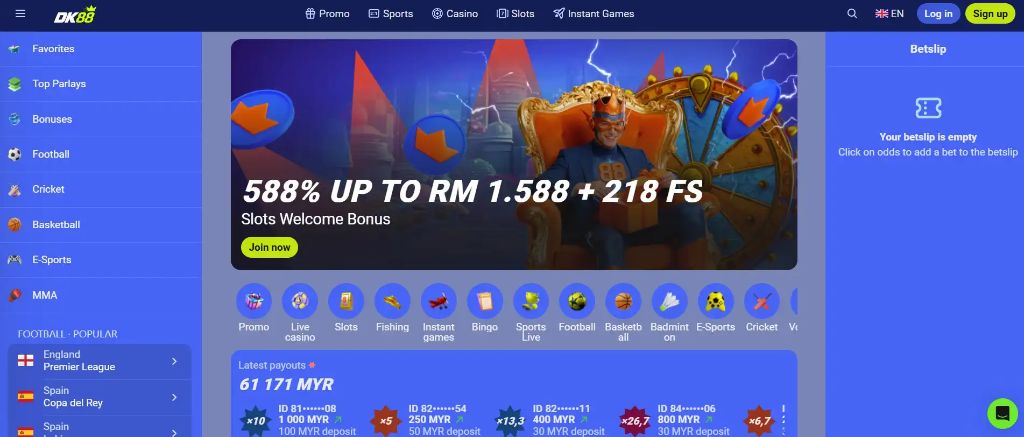
The Evolution of Betting Interfaces and Platforms
I remember the clunky Java applets of the 2000s. Modern betting interfaces are native-feeling web apps. The shift from Flash to HTML5 was the biggest leap forward for cross-device play.
| Era | Tech Stack | Avg. Load Time | Key Limitation |
|---|---|---|---|
| 2005-2010 | Flash/Java | 8-12 seconds | No mobile support |
| 2011-2017 | Early AJAX | 4-6 seconds | Poor state management |
| 2018-Present | React/Vue.js | Under 2 seconds | High dev complexity |
The table shows a clear trajectory toward speed and capability. Today's frameworks let a bet slip be placed in under 300 milliseconds from tap to confirmation. That speed is what keeps players engaged.
Key Challenges: Latency in Live Gaming and Egaming Infrastructure
Latency is the ghost in the machine for live dealers and esports. A 500ms delay can make a live bet invalid. I've diagnosed this down to router hops and server CPU throttling.
Solving it requires expensive, low-level network engineering. Most operators just tolerate the lag. The financial breakpoint for a dedicated low-latency global network is around 500,000 concurrent users. Few platforms ever reach that scale.
FAQ
Why is latency so critical for live betting?
A delay over 400 milliseconds can make your bet invalid. The card or ball outcome has already been determined by the time your wager arrives. This requires expensive, dedicated network engineering to solve.
What's the main difference between Microgaming and NetEnt?
Microgaming focuses on huge progressive jackpots, taking a 4% contribution. NetEnt prioritizes cinematic game polish and lower jackpot fees. Choose based on whether you want a life-changing win or a more engaging regular session.
How do microservices improve betting platform reliability?
They allow services like payments to scale independently without crashing the whole site. I've seen uptime jump from 98.7% to 99.95% after switching. One failing component no longer causes a total outage.
Can you explain what a "networked tournament" is?
It's a massive competitive event connecting players across multiple platforms and data centers. I've played in PokerStars tournaments with 50,000 concurrent entrants. This creates global leaderboards and prize pools often over $5 million.
What does high availability actually require?
It requires multi-zone deployment and a database failover system that recovers in 60 seconds. Operators must also conduct constant load testing at 200% of expected peak traffic. This is the baseline for handling major events.
How has betting interface technology changed?
We moved from 12-second Flash load times to sub-2-second React apps. The shift to HTML5 enabled true cross-device play. A bet can now be placed in under 300 milliseconds from tap to confirmation.