
When switching to a plant-based diet, center your meals around plant-based foods. If you eat animal foods, only eat them in smaller quantities, paying attention to the quality. For many people, animal products are the focus of most meals, from eggs and bacon for breakfast to steak for dinner. Vegetarians exclude all meat and poultry from their diets, but some vegetarians eat eggs, seafood, or dairy.
Poland’s Ministry Of Health Pledges Plant-Based Meals For Schools And Nurseries
Those who don’t eat meat or fish but still include https://www.nhs.uk/healthier-families/recipes/ dairy and eggs are vegetarian, while those who cut out all animal-derived products, including dairy, eggs, honey and gelatine, are referred to as vegan. Plant-based foods are high in fiber and rich in vitamins and minerals. You can usually meet your protein, calcium, and nutritional needs if you eat different kinds. But it’s important to add a daily supplement or fortified cereals, plant milks, or nutritional yeasts to make sure you get enough vitamin B12.
Recipe suggestions
Rather, plant-based diets might act through multiple pathways, including better glycemic control43, lower inflammatory activity44 and altered neurotransmitter metabolism via dietary intake45 or intestinal activity46 (Fig. 4). This is largely in line with recent meta-analyses indicating beneficial metabolic changes after a plant-based diet25–27. There are plenty of other foods you can also enjoy, including nuts, seeds, avocados, tofu, tempeh, whole-grain flours and breads, and plant-based milks.
Living a
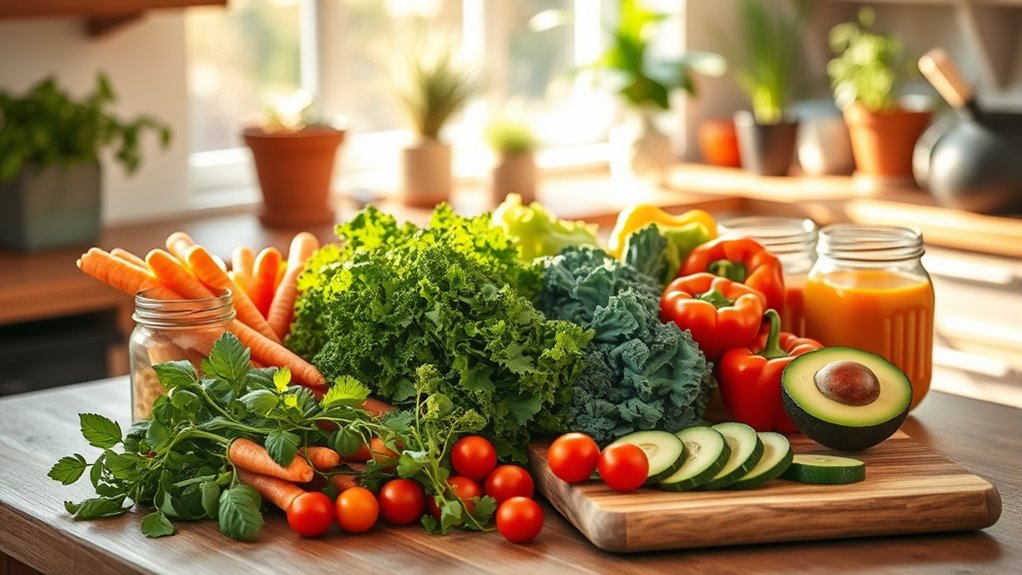
When followed consistently, a well-balanced, plant-based diet that focuses on wholegrains, fruit, vegetables, legumes, nuts and seeds may provide health benefits. These include a lower BMI, lower cholesterol levels and a reduced incidence of chronic diseases including type 2 diabetes, heart disease as well as potential protection from certain cancers including prostate and breast cancer. Adopting a plant-based diet involves making fruits, vegetables, whole grains, and legumes the stars of your meals, while limiting or avoiding animal foods. This way of eating has been linked to numerous health benefits, including improved heart health, better weight management, and a reduced risk of chronic diseases. Start small by introducing more plant-based proteins like beans and tofu into your meals.
- Cancer prevention is another powerful benefit of a plant-based diet, thanks to the abundance of antioxidants and phytochemicals in plant foods.
- All foods derived only from plants, so this includes wholefoods such as broccoli, chickpeas or walnuts, along with homemade or processed foods and recipes that contain no animal ingredients such as biscuits, hummus, baked beans or meat alternatives.
- This might explain why an increasing number of people turn to vegan diets as a way to lose weight.
- On a well-planned plant-based diet, the main supplements of concern are vitamin B12, vitamin D, and possibly omega-3 fatty acids.
- Also, consider any health conditions you may have and how a plant-based diet may benefit you.
- Conversely, another observational study with a sample of about 80% women found a beneficial association between a vegan diet and mood disturbance24.
Protein
Our plant-based starter kits are a great way to begin because they include a book, a set of DVD lectures from Dr. Neal Barnard, M.D., and a folder full of helpful literature from the Physicians Committee for Responsible Medicine. Some people become interested in a whole food plant-based diet after watching documentaries like Forks Over Knives, Eating You Alive, What the Health, PlantPure Nation, and others. People who follow plant-based diets may have smaller environmental footprints. Transitioning to a whole-foods, plant-based diet doesn’t have to be challenging. Poland is expected to introduce plant-based meals in schools and nurseries.
🥜 Nuts and Seeds
Even though we typically think of them as carbohydrate sources, whole grains can sneak extra protein into any meal. Many varieties are naturally high in protein—not to mention they deliver fiber, vitamins and minerals to your diet. To boost your daily grain intake, start your day with a warm bowl of oatmeal, keep lunch fresh with a quinoa salad, or end your evening with wild rice-stuffed peppers for dinner. For example, nuts, seeds, and avocados have many valuable, health-promoting nutrients. But these foods are also very calorie-dense because of their naturally high-fat content. It is also easy to eat these foods excessively without realizing it.
Question #6: Where in the world do I even begin finding the foods I will need at the grocery store?
Enjoy nutritional yeast in sauces or dressings, sprinkled on your next pasta dish or tossed into a bowl of popcorn. The study reviewed 59 studies across 18 countries, comparing the nutritional health outcomes of 7,280 vegetarians, 1,289 vegans and 40,059 omnivores, who eat both plants and animals. If you’re used to eating meat or dairy, switching to a plant-based diet may seem challenging. Meat is usually the main component of a meal, with vegetables and grains as side dishes. Meanwhile, when you eat more plant-based foods, you’re ingesting phytochemicals and fibers that aren’t found in animal products. Carotenoids, glucosinolates and flavonoids may enhance immunity, protect against disease and reduce cancer activity.
Table of Contents
It is about eliminating not just animal products, but also oil, white flour, refined sugar, and highly processed ingredients. You may be interested in adopting a plant-based diet but feel overwhelmed by the changes involved. But transitioning to a plant-based diet can be a gradual process, starting with small changes like incorporating more vegetables and plant proteins into your meals while slowly reducing animal products. As proposed by several authors, benefits on health related to diet can probably not be viewed in isolation for the intake unimeal app reviews (or nonintake) of specific foods, but rather by additive or even synergistic effects between them (reviewed in refs. 12,80). Over the past decade or so, plant-based diets have made their way from uncommon to mainstream.
Sources
Favoring a well-planned diet that limits processed foods and replaces them with nutrient-rich ones is important for everyone, not only vegans. Several report that vegan diets are much more effective at reducing blood sugar, LDL (bad) cholesterol, and total cholesterol than diets they are compared with (4, 5, 9, 20, 21). Vegan diets seem particularly effective at improving markers of blood sugar control. Vegan diets seem very effective at helping people naturally reduce the number of calories they eat, resulting in weight loss. The natural tendency to eat fewer calories on a vegan diet may be caused by a higher dietary fiber intake, which can make you feel fuller.
Question #1: Isn’t eating healthy expensive? I’m on a budget.
From reducing the risk of chronic diseases to boosting energy levels, improving brain function, and even helping the planet, a plant-based lifestyle offers undeniable advantages backed by science. With increasing research highlighting its numerous health benefits, more people are adopting plant-based eating habits. Whether you’re considering this lifestyle for ethical reasons, environmental concerns, or purely for health, this article explores 10 science-backed benefits of a plant-based diet that might convince you to make the switch. These fiber-rich grains have a lower glycemic index than refined grains; thus, they have a gentler impact on blood glucose levels and increase satiety (that sense of fullness). Most food sources of vitamin B12 are animal sources, so many vegans need to supplement. Talk to your healthcare provider to make sure you’re getting enough if you eat a vegan diet.