
While moderate consumption can support liver health, excessive intake has been linked to rare cases of liver toxicity. Including kudzu in your diet might help support long-term brain health and improve focus naturally. Whether in tea or powder form, you can rely on kudzu root to maintain a healthy digestive system and enhance nutrient absorption. Traditional medicine has long relied on kudzu root for headaches, and modern research is starting to validate this use. Kudzu Root (Pueraria lobata), often called Japanese arrowroot, is a climbing vine native to East Asia. For over 2,000 years, traditional Chinese medicine has embraced this plant for treating ailments like fevers, diarrhea, kudzu and alcohol and heart health.
- Most of the information in this guide is based on scientific research that can be found and verified in the PubMed medical library.
- This effect is mediated by daidzin, an active component, and isoflavone of the Kudzu root, which inhibits the enzyme ALDH2 thereby causing excessive amounts of ethanol to accumulate in blood, reducing excessive alcohol intake (Gao et al., 2003).
- Neurotransmitter imbalances related to alcohol actually play a role in the benefits of using kudzu to stop drinking or taking kudzu for alcohol cravings, which we’ll talk about more later.
- Your brain may signal alcohol cravings as a way to seek the rewarding effects it can have.
The Promise of Kudzu in Alcoholism Treatment
However, these studies were conducted on lone individuals drinking within highly controlled laboratory conditions. In China, it has been used to treat alcoholism since 600AD, and Western medicine is starting to take notice of this herbal remedy. In terms of what I felt when I took this plant, my experience supports the observations of others who note that it might act like a much gentler form of disulfiram or Antabuse. Even a tiny amount of alcohol can cause violent illness while on these drugs. By contrast, kudzu creates a mild flushed feeling at most and leaves the drinker craving alcohol a bit less.
Can You Use Kudzu for Alcoholism?
Persons of Asian descent were excluded because of their known increased flushing reaction to alcohol. Individuals with a body mass index (BMI) outside the range of 18–25 kg/m2 were also excluded. Alcohol cravings can be a significant challenge for those trying to reduce or quit drinking. The search for natural remedies to help manage these cravings has led many to explore various herbs and supplements. This article delves into the science behind kudzu, its traditional uses, and its potential role in managing alcohol consumption. The results of this groundbreaking study highlight the incredible potential of Kudzu Extract to reduce binge drinking and alcohol consumption safely and naturally.

Kudzu and Alcohol Cravings: Historical Background
Most synaptic GABAARs are composed of two α, two β, and one γ subunit, where the γ subunit is located between an α and β subunit60,61 and contributes to synaptically mediated (phasic) inhibition. In contrast, tonic inhibition is mediated by highly sensitive GABAARs in peri- and extrasynaptic membrane where α4/α6-containing GABAAR subunits are predominantly located and partner with the exclusively extrasynaptic δ subunits27,62,63. They are activated by ambient extracellular GABA or from ‘spillover’ of GABA from synaptic signaling, thought to be in the range of 100 nmol/L to 1 μmol/L64,65,66. Given this distinction, the study of synaptic vs extrasynaptic GABAARs and EtOH effects on these receptors is essential to elucidate the mechanisms involved in the development of EtOH tolerance and dependence. On the other hand, synaptic and extrasynaptic GABAARs are dynamic in response to EtOH. Before starting any new supplement, you should first discuss doing so with your doctor.
Its centuries-old use in herbal medicine and modern scientific backing make it a game-changer in the fight against excessive alcohol use. A few examinations have been led to research the impacts of kudzu on liquor desires. One study distributed in The American Diary of Psychiatry found that members who took kudzu extract encountered a lessening in their desire to drink contrasted with the people who got a placebo treatment. The researchers came to the conclusion that kudzu may in fact aid in curbing alcohol cravings. Even though kudzu root appears to have a mechanism similar to antabuse (disulfiram) in that it allows acetaldehyde to accumulate in the body–kudzu root is a very gentle medication with none of the violent effects of antabuse. Subjects who drink alcohol after taking antabuse become violently ill and too much alcohol mixed with antabuse can be fatal.
- Great progress in the study of traditional herbal medicines has been made, especially the potential therapeutics for anti-alcohol abuse.
- The relationship between kudzu and alcohol consumption has been a subject of interest, with some studies suggesting that kudzu extracts may influence drinking behavior.
- Studies on the effectiveness of kudzu for alcoholism have shown mixed results.
Although blood samples were collected from all participants to examine the safety of kudzu, only the last 12 subjects had blood samples collected for quantitative analysis of puerarin levels. Kudzu can be taken in conjunction with other medications for alcoholism, but it is important to consult with a healthcare professional before combining treatments. Kudzu may interact with certain medications, such as benzodiazepines, and can cause adverse effects.
- Valerian’s sedative effects can work in harmony with Kudzu’s stress-reduction properties, providing a more peaceful night’s sleep.
- However, more time and effort are needed to understand the mechanisms and the safety/toxicity and to establish regulatory policies for using natural or other types of herbs.
- However, while some studies support using certain supplements, it is important to know that not all directly impact alcohol withdrawal symptoms.
Keep this herb or herbal supplement in a cold, dark, and dry place and it should remain just as potent for many months or even years. The risk for them increases (often marijuana addiction linearly but sometimes exponentially) as you increase the dose. Its botanical features include compound leaves with three broad leaflets, twining vines capable of extensive climbing, and distinctive purple flowers arranged in clusters.
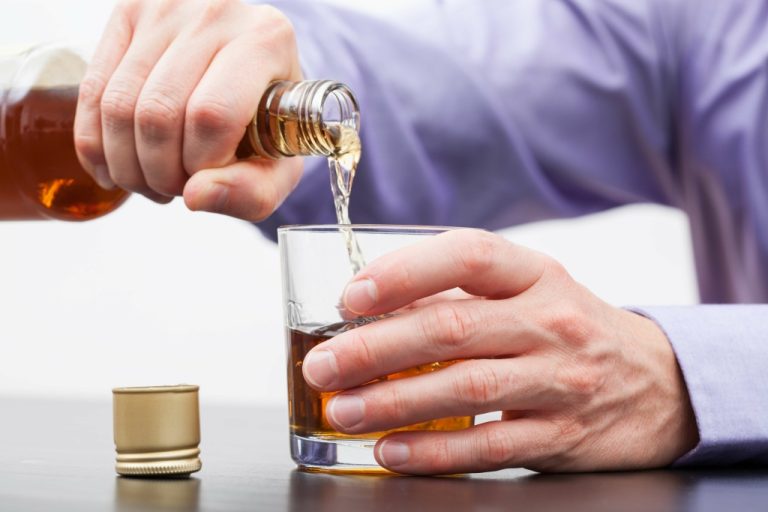
A single dose of kudzu extract reduces alcohol consumption in a binge drinking paradigm
When, however, they had taken the kudzu beforehand, they drank an average of 5.5 units, which meant that overall they had drunk about 20% less. Then we allowed them access to the bar for 90 minutes, during which time they could have their fill of beer, wine or spirits. We were, of course, closely but surreptitiously monitoring how much and how quickly they drank. Now, many of us make the resolution to cut back on alcohol, but like all good resolutions there is the danger of slippage. So for those of us with the modest aim of just cutting back a bit, could kudzu really help?
I’ve read numerous articles over the years promoting the natural herb Kudzu as an excellent way to reduce alcohol cravings. The next year Dr. Lee suggested to researchers at the Bowles Center for Alcohol Studies that they test kudzu. He wanted to see if it would reduce alcohol consumption among strains of rats. During a trip to China, chemist Dr. David Lee noticed that many people use a herbal tea from kudzu.
As with any herbal supplement, it is essential to consult a healthcare professional before incorporating kudzu into one’s regimen, especially if taking medications or dealing with specific health conditions. Studies have found that the isoflavones in kudzu can help lower cholesterol levels and reduce blood pressure. Kudzu extract, however, offers a natural, safe, and effective alternative for those looking to reduce their alcohol consumption. A growing number of double-blind, peer-reviewed studies have confirmed the effectiveness of using kudzu for alcoholism. Early research focused on rats with good results, which were later replicated with human subjects.
1 Participants

In fact, traditional Chinese medicine has used the plant for over 2,500 years. When choosing a product, it is important to select reputable brands that provide standardized extracts ensuring consistent levels of active compounds. Kudzu (Pueraria lobata) is a fast-growing vine native to East Asia, particularly China, Japan, and Korea.
May reduce alcohol dependence
Alcohol cravings are influenced by a combination of factors, which are often physiological, psychological and environmental. Understanding the underlying mechanisms is also essential in the discussion of using kudzu for alcohol cravings. Stores typically sell it as a powdered drink mix, an oral capsule or tablet, liquid drops, or as a food-grade starch to use in cooking. Some health companies sell the kudzu root species Pueraria mirifica as a supplement for menopausal and postmenopausal women.