

For vacationers from the UK, a low-stakes casino game like 20P Roulette Game Game Free Roulette can be a little amusement on a trip away. But if a problem occurs while you’re playing, that peaceful getaway can quickly turn into a documentation headache. Trying to make a travel insurance claim for an event at the roulette table presents its own array of difficulties. This article examines the distinct challenges a UK traveller might encounter. We’ll review standard policy exclusions, what constitutes proof, and the tricky job of connecting a casino event to a legitimate request. The goal is to clarify this unusual but troublesome situation, showing where a traveller’s assumptions and an insurer’s small print often don’t match up.
Comprehending the Scope of Standard Travel Insurance
A common UK travel insurance policy protects things like medical emergencies, cancelled trips, lost bags, and personal liability. The core idea is that the incident must be sudden, unexpected, and beyond your control. Insurers write their policies very carefully to specify what’s included and, more importantly, what isn’t. While your holiday is covered, the specific things you do on it might not be. Gambling, even a low-stakes game of 20p Roulette, fills a fuzzy middle ground. Most policies won’t name “roulette” as an exclusion. Instead, they have general clauses about “illegal acts,” “reckless behaviour,” or being under the influence of alcohol. So what actually happened during the game matters most. An injury from a falling light fitting would be viewed one way. A fight that starts over a winning bet would be viewed another. The insurer’s first job is to decide if the event even fits inside the basic scope of coverage. Only then do they examine the details.
The Nexus Between Gambling and Policy Exclusions
Insurers hardly ever cancel your policy just for walking into a casino. The exclusions usually kick in based on your behaviour. Say a claim comes from a fight over a 20p Roulette bet. The insurer will check the fine print on “fighting” or “disorderly conduct.” More importantly, many policies refuse claims stemming from “illegal activities.” Gambling in a licensed UK casino is legal. But if the claimant was underage, or was in a country where gambling is banned, the claim would be dead on arrival. Another major exclusion covers “claims arising from alcohol or drug use.” If you had an incident at the roulette table and were visibly drunk, the insurer would probably deny your claim. They would argue your impaired judgement led directly to the loss or injury.
Reporting a Casino-Related Incident for a Compensation
Winning a travel insurance payout depends on concrete, third-party evidence. For something that happens during a 20p Roulette game, this gets more difficult. You need more than just your own story. Inform the casino management right away and secure a written incident report from their security team. Gather contact details from any neutral witnesses. Snap photos of the scene, any injuries, or damaged property. If the police appear, get the report number. For a medical issue like a panic attack after a big loss, a doctor’s note must connect the condition to the specific event. Your paperwork has to create a clear, factual timeline that separates the act of gambling from the immediate cause of the claim. You aren’t claiming for “losing at roulette.” You’re claiming for “theft that happened while I was distracted at the roulette table.” The difference is everything.
Typical Vacation Problems Connected with Low-Stakes Gaming
Problems from a low-stakes game like 20p Roulette usually comes not directly, not from the bet itself. A classic case is distraction theft. A traveller’s bag or jacket, stuffed with passports, wallets, and cameras, disappears while they’re focused on the game. Another regular problem is an accidental injury inside the casino, like tripping on a step or getting bumped by another customer. Arguments can also blow up, leading to personal liability claims if you’re accused of hurting someone or damaging property during a dispute. There’s also the scenario where someone loses a lot of money, even at 20p stakes, and can’t pay for their hotel or flight home. Most policies won’t cover this. They see it as a consequence of personal choice, not an insured event like theft.
How to Claim for a Gambling-Associated Event
Initiating a claim for an incident tied to 20p Roulette involves the normal steps, but expect more questions. You should call your insurer’s emergency line or claims department as soon as you can. You have to tell them the full story, including that you were in a casino playing roulette. They will send you a claims form asking for a detailed account. Be honest. Saying you were in a “hotel bar” instead of the casino could be seen as fraud. The insurer will ask for all the evidence we talked about earlier. Their investigation will try to answer two questions: did an insured event (like theft or accidental injury) happen, and can it be separated from the excluded activity of gambling? The result depends completely on your specific policy wording and how well your evidence links the loss to a covered cause.
Complaint Handling and the Financial Ombudsman Service
If your casino claim is rejected, you can challenge the decision. Start with the insurer’s own grievance process. Write a formal letter outlining why you think the denial is unjustified, and reference the relevant policy language. If that is unsuccessful, you can bring your case to the Financial Ombudsman Service (FOS) in the UK. The FOS will review it objectively. They assess if the insurer enforced the terms fairly, if the exclusions were legitimate, and if the insurer acted reasonably. The Ombudsman often considers “proximate cause.” Was the actual root of the loss the gambling, or was it a unrelated, covered event that just transpired in a casino? Their decision is mandatory on the insurer if you approve it, providing a vital path to challenge a refusal.
Preventive Steps for Casino-Visiting Travelers
Visitors who aim to frequent casinos can adopt a few basic steps to reduce danger and strengthen any future claim. Before you get, read your travel insurance policy wording. Watch for exclusions concerning “gambling,” “negligence,” or “alcohol.” Some specialized policies might provide improved conditions. When you’re enjoying games like 20p Roulette, ensure your items protected. Wear a cross-body bag placed under your coat, carry only the cash you require, and leave valuable items in the hotel safe. Cut back on the alcohol, since being under the influence can nullify a claim. Stay aware of your surroundings and avoid conflicts at the gaming table. It’s also smart to carry a valid UK Global Health Insurance Card (GHIC) or its preceding version, the EHIC. This provides you a fundamental amount of medical cover in many regions, separate from any travel insurance argument.
Analysing a Theoretical 20p Roulette Claim Scenario
Let’s go through an example. A UK tourist is trying 20p Roulette in a European casino. They move away for a free drink. When they come back, their jacket is gone. Inside was their wallet, passport, and train tickets home. They make a theft claim. The insurer probes and cites a policy exclusion for “loss due to negligence.” They say leaving your stuff unattended in a casino is negligent. The traveller argues that theft is a covered peril and the location shouldn’t matter. Who wins? It hinges on the policy’s exact definition of negligence and whether the insurer can show the traveller didn’t take reasonable care. A witness saying the jacket was on the chair for twenty minutes would sink the claim. CCTV footage showing it was stolen less than a minute after the traveller turned their back might save it. Cases like this teeter on a knife-edge.
Frequently Asked Questions (FAQ)
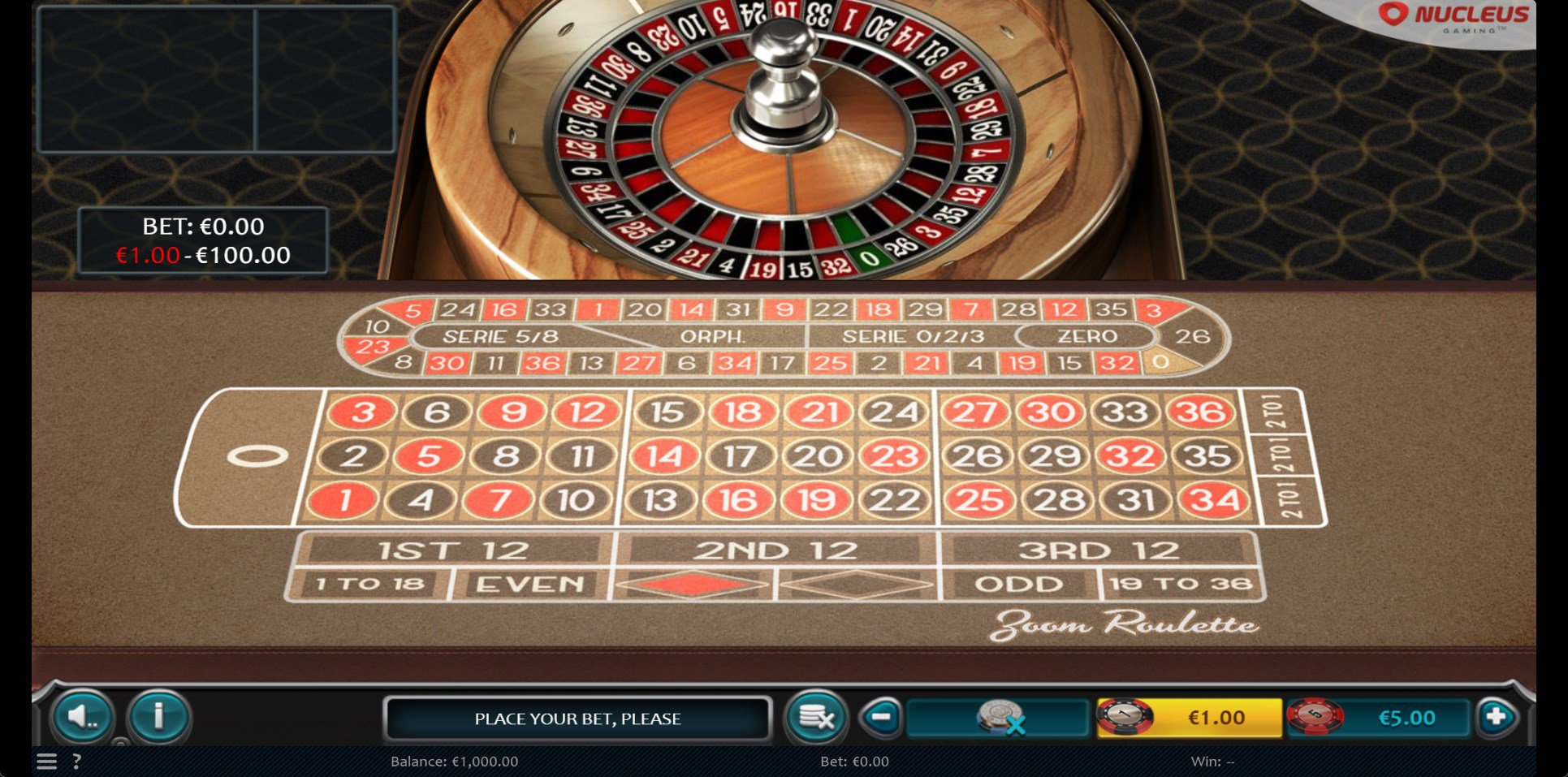
Find answers to some regular questions about travel insurance and 20p Roulette.
Will my travel insurance cover me if I lose money at 20p Roulette?
Absolutely not. Travel insurance doesn’t cover gambling losses. It doesn’t matter if you were betting 20p or £20. The policy is for unforeseen events like sickness, theft, or cancellation, rather than the outcome of a game you opted to play.
What about I get injured by a casino fixture while playing?
An accidental injury, like tripping on a carpet or getting hit by a broken sign, ought to be covered under your policy’s medical section. This assumes you weren’t acting recklessly or were drunk. The trick is proving the injury was a true accident, rather than a direct result of the act of gambling.
In what way does intoxication influence such an injury claim?
If the insurer can prove that being drunk caused the accident, they will probably deny your claim. They’ll employ the standard exclusion for losses from alcohol use. A medical report confirming you were sober when treated would be essential evidence for you.
Must I tell my insurer the incident happened in a casino?
Yes, you certainly should. Being entirely honest is a key part of your insurance contract. If you hide or lie about the location, that’s fraud. The insurer could refuse the claim, cancel your policy, and you’d be saddled with all the costs. It could also make getting insurance harder later on.